
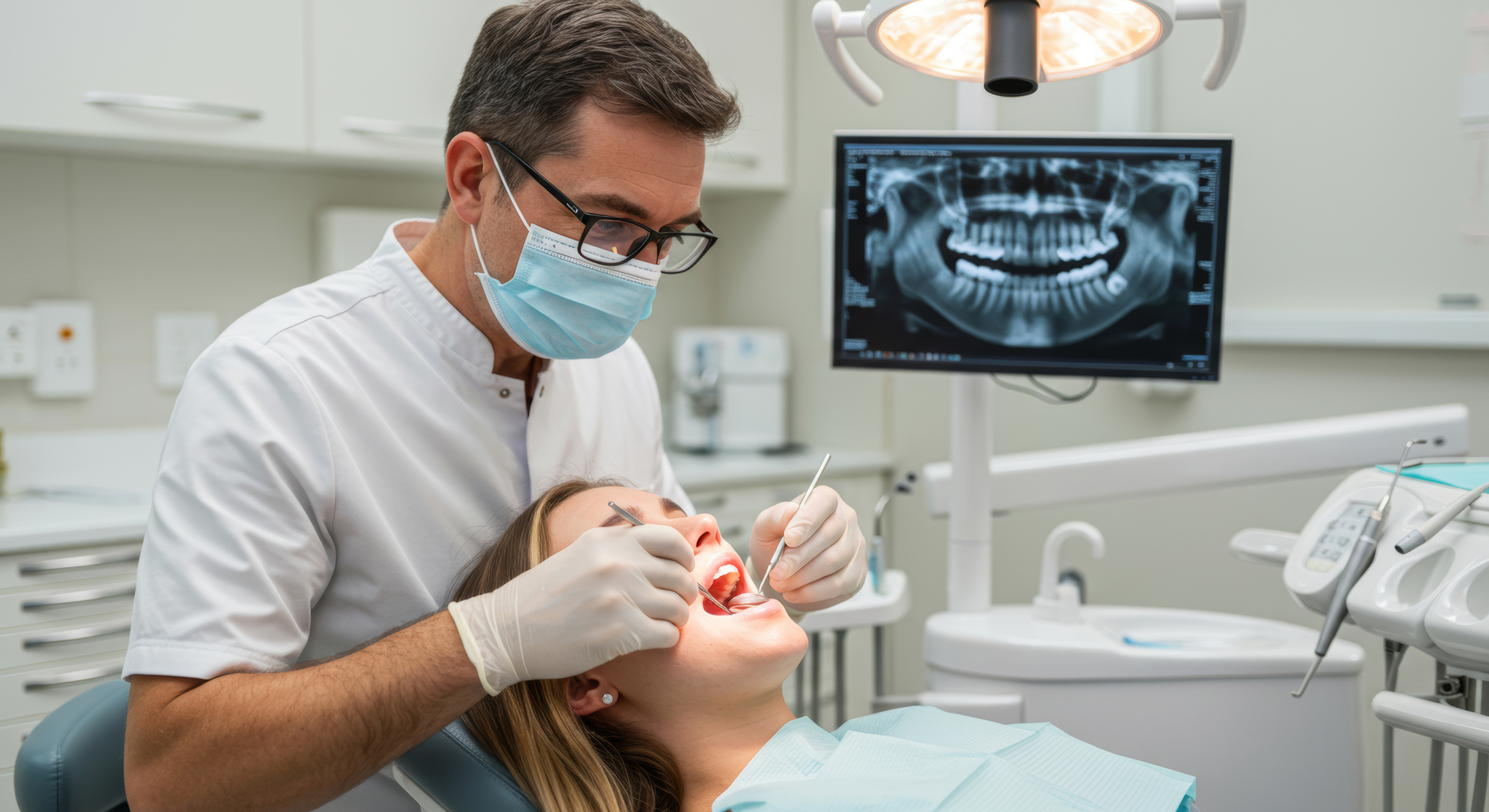
Removing wisdom teeth often lands people in a maze of benefits, item numbers and fine print. What gets paid depends on your age, where the surgery happens, and whether you hold hospital or extras cover. The outline below breaks down the typical pathways so you can budget with fewer surprises.
Medicare in a nutshell
For most adults, Medicare dental coverage is limited. Medicare doesn’t generally fund routine dental care or wisdom teeth extractions performed in private dental clinics. Hospital admission does not change this rule: the extraction fee remains separate from Medicare rebates for eligible associated medical services.
When Medicare does help
Medicare pays a rebate for eligible anaesthesia provided by a medical practitioner. MBS item 22900 covers the initiation of anaesthesia for tooth extraction; item 22905 applies to restorative dental work. Your anaesthetist’s quote should identify the applicable items, estimated rebates and remaining gap. The rebate does not pay the dentist’s extraction fee.
Public dental care is a separate pathway. Eligible NSW adults receive free treatment through public dental services. Eligibility requires NSW residency, Medicare eligibility and an accepted concession card. The service assesses your needs and arranges a hospital referral where required. Treatment follows clinical priorities, with waiting lists for non-urgent care.
Children and teens

The Child Dental Benefits Schedule covers basic dental services, including clinically necessary extractions, for eligible children. Eligibility depends on the child’s age, Medicare status and qualifying government payments.
For a two-year benefit period beginning in 2026, the cap is $1,158. A period beginning in 2025 retains the $1,132 cap. Dental services provided in hospital are excluded. Services Australia explains the benefit limits and exclusions. Ask your provider to confirm eligibility, the remaining balance and any out-of-pocket charge before treatment.
Private cover: hospital vs extras
Many people lean on private health insurance to defray wisdom tooth bills, but benefits depend on the mix of hospital cover and extras.
Hospital cover pays benefits towards theatre and accommodation when your admission meets the policy’s requirements. Extras pays benefits for included dental items, subject to waiting periods and limits. Using a preferred provider often improves the benefit, but it is not a universal requirement for claiming.
Extras waiting periods are set by each fund. Two months for general dental and 12 months for major dental are common. Hospital cover has separate waiting-period rules, including up to 12 months for pre-existing conditions. Always check annual. Always check annual limits and any “no-gap” arrangements your fund has with specific providers.
Clinic or hospital? Why the venue changes the bill
Impacted teeth do not automatically require hospital treatment. Your dentist recommends the setting based on the extraction’s complexity, your health and the anaesthesia required.
In a clinic, your costs revolve around the dentist’s fee, imaging, and sedation options such as IV. Hospital treatment adds facility charges and usually a separate anaesthetist’s bill. Check that your hospital policy includes the “Dental surgery” category, whether restrictions apply, and how the extraction fee is treated. Ask for itemised quotes for each component before you commit.
Understanding your treatment quote
Headline numbers vary by complexity and setting, so treat ranges as guidance, not a quote. A per-tooth extraction price does not establish the full treatment cost. Check whether the quoted amount covers one tooth or all planned extractions, and whether imaging, sedation and follow-up are included.
Wisdom teeth removal cost depends most on impaction, the number of teeth treated, and where the procedure occurs. Calculate your expected out-of-pocket cost by subtracting confirmed Medicare and insurer benefits from the total quoted fees. Include any hospital excess or co-payment in that calculation.
A quick benefits snapshot
| Setting / fee component | Who pays | What to check |
| Dental fee | Patient, less applicable extras benefits | Dental item numbers, provider eligibility, remaining limits |
| Anaesthetist fee | Medicare for eligible services; applicable hospital insurance benefits; patient gap | MBS items, admission status, estimated rebate |
| Hospital theatre/accommodation | Insurer benefits under eligible hospital cover; patient excess and gaps | Dental surgery cover, restrictions, hospital agreement |
| Public hospital as public patient | Public system for approved treatment | Eligibility, referral, waiting times |
| Imaging (OPG/CBCT), consults | Patient, less benefits applicable to each service | Separate quotes, referral requirements, claimable items |
How to trim the gap
Start with a full itemised treatment plan covering dentist, anaesthetist and facility fees. Send it to your fund and request a written benefit estimate for each item.
Check your remaining extras limits and ask whether preferred-provider rates apply. Confirm when your limits reset; unused benefits usually do not carry over. Discuss treatment timing with your dentist. Insurance dates should not determine whether necessary care is delayed.
What insurers class as “major”
Classification varies between funds. Surgical extractions fall under major dental in some policies and different categories in others. Your fund uses the dental item numbers to determine benefits, waiting periods and limits. Obtain written confirmation rather than assuming “major” means a larger rebate.
Before you book
Keep the treatment plan and benefit estimates together. Ask each provider what you must pay upfront, which rebates apply, and what circumstances would change the quote. You will then have a documented estimate of your costs before agreeing to treatment.