
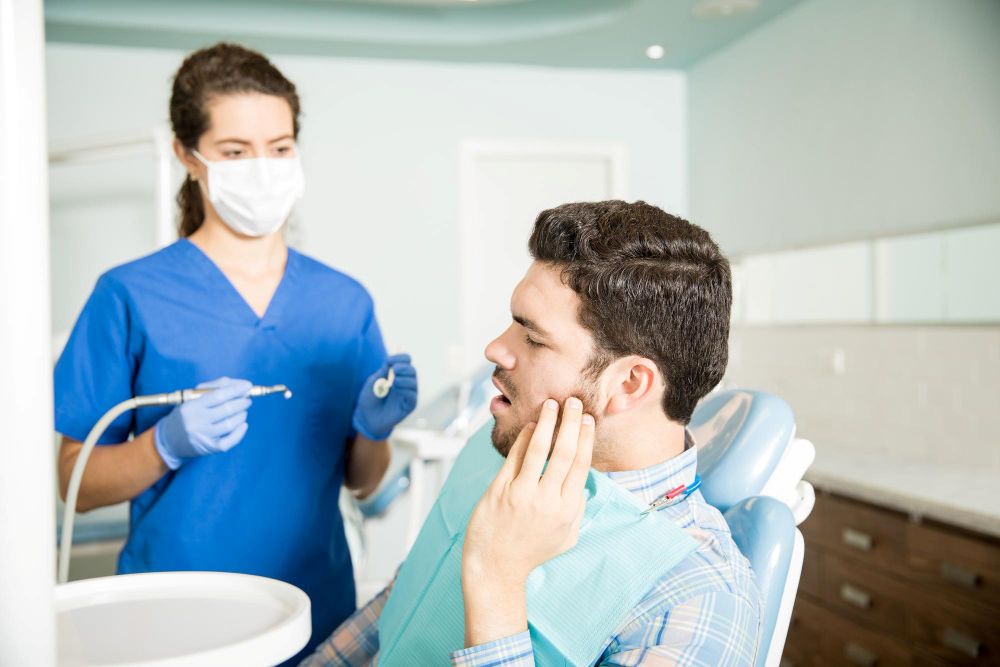
The worst wisdom tooth pain often waits until the house is quiet. You lie down, your jaw starts pulsing, and the ache that felt manageable at dinner suddenly takes over the whole side of your face.
That timing isn’t random. Night pain can come from pressure changes, inflamed gum, trapped food, clenching, or an infection that has moved past the “wait and see” stage. The hard part is knowing what can wait until morning and what needs a dentist quickly.
Why does wisdom tooth pain feel worse when you lie down?
Lying flat can sharpen dental pain because pressure around inflamed tissue can increase. A wisdom tooth sits right at the back of the mouth, often under a fold of gum or partly stuck in bone. If that area is swollen, even a small pressure shift can feel big.
Night also removes distraction. During the day, you talk, eat, drive, work, check your phone, and keep moving. At night, a dull throb gets your full attention.
Clenching can join the party too. If the gum around a wisdom tooth is already angry, extra bite pressure can stir it up. The non-obvious part: jaw muscles and the second molar can refer pain to the same area.
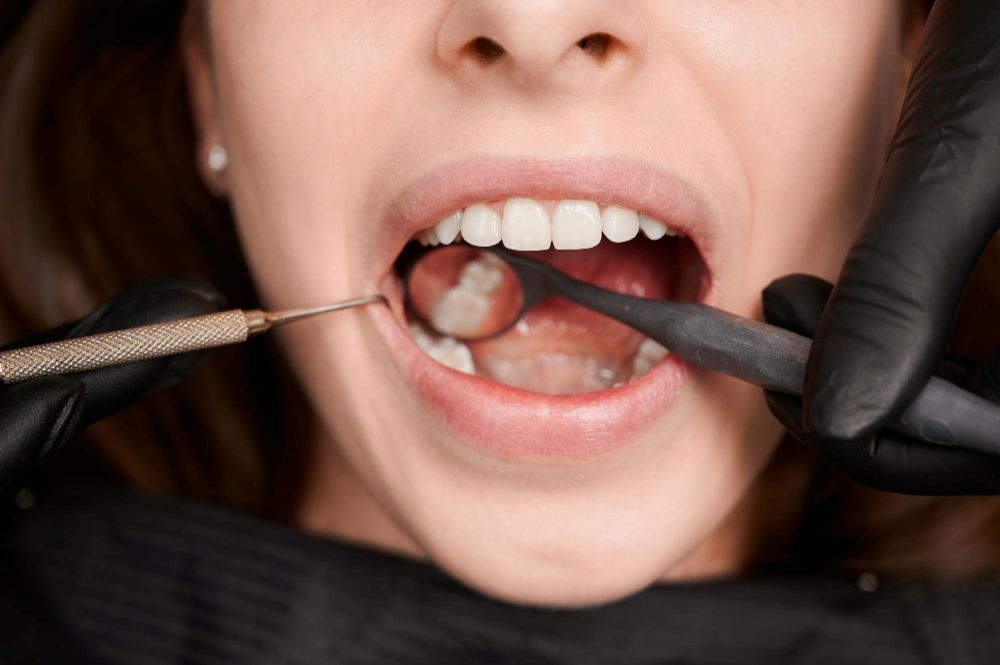
What’s actually causing the pain?
Not every sore wisdom tooth needs removal. Some teeth erupt cleanly, stay easy to brush, and behave. Pain is more concerning when the tooth is partly erupted, angled, hard to clean, or repeatedly trapping food.
A common pattern is pericoronitis, which means inflamed gum around a partly erupted tooth. Food and bacteria sit under the gum flap. The area becomes tender, swollen, and unpleasant. You may notice a bad taste, sore chewing, or bleeding when brushed.
An impacted tooth can cause a deeper pressure feeling. It may push against the neighbouring molar, sit at an angle, or remain partly covered by gum or bone. If your pain keeps returning in the same spot, an X-ray usually matters more than guesswork. Wisdom Teeth Removal Sydney explains that assessment and imaging are part of planning wisdom teeth extraction in Sydney, especially when position, impaction, or infection affects the treatment plan.
Decay can mimic wisdom tooth pain. So can gum disease around the last molar or sinus pressure near an upper wisdom tooth. Pain location alone isn’t enough.
What can you do tonight without making it worse?
The goal tonight is to calm the area without irritating it further. Don’t poke the gum with a toothpick. Don’t keep pressing the sore spot with your tongue. Don’t put aspirin directly on the gum, as it can burn the tissue.
Try a gentle warm salt-water rinse. Let it sit around the sore area, then spit. Brush carefully, including the last molar if you can reach it. If you use over-the-counter pain relief, follow the packet directions or advice from your dentist, pharmacist, or doctor. Keep your head slightly raised rather than lying completely flat.
Cold or warm compresses can help different people in different ways. Swelling often prefers cold. Tight jaw muscles may prefer warmth. Use short intervals, not constant heat or ice.
| Night symptom | What it may suggest | What to do next |
| Dull pressure that settles with rinsing | Food trapping or mild gum irritation | Book a check if it returns |
| Throbbing pain that wakes you | Inflamed gum, decay, or impaction | Book an assessment soon |
| Bad taste, pus, or swollen gum | Possible infection | Arrange prompt care |
| Facial swelling, fever, or trouble swallowing | Spreading infection risk | Seek urgent help |
When should you book an appointment?
Book an appointment if wisdom tooth pain wakes you more than once, lasts beyond a day or two, or keeps returning after it settles. Recurring pain usually means the cause is still there.
Book sooner if you notice swelling behind the last molar, pain when biting, a bad taste, or difficulty opening your mouth. These symptoms can point to infection or a tooth that’s hard to clean properly. Our guide to infected wisdom tooth symptoms helps you judge when pain has moved beyond normal eruption soreness.
Repeated flare-ups rarely become easier to treat by being ignored. A dentist can clean the area, check for decay, take imaging, discuss pain control, and decide if monitoring or removal makes sense. Sometimes the best answer is not immediate extraction. Sometimes it is.
Seek urgent help if you have facial swelling, fever, pus, swollen glands, trouble swallowing, trouble breathing, or a jaw that won’t open properly. Those signs can mean the infection is spreading. Don’t sleep on that.
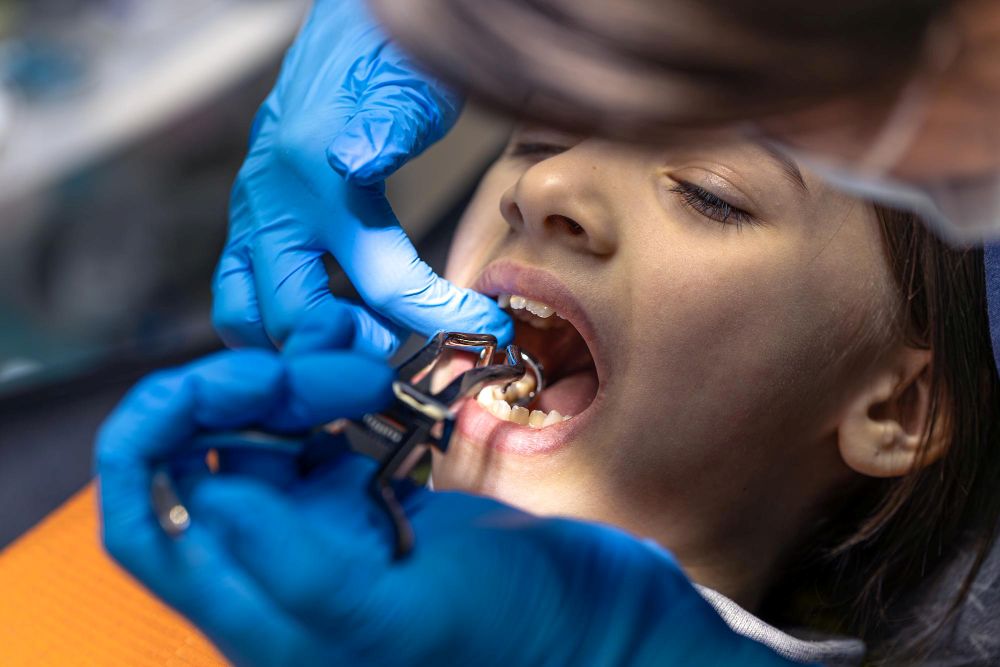
Will pain at night always mean removal?
No. This is worth saying clearly because fear delays people. Wisdom tooth pain at night doesn’t automatically mean surgery.
A dentist may recommend cleaning, monitoring, antibiotics in selected infection cases, or removal if the tooth is impacted, infected, decayed, damaging the next molar, or likely to keep causing trouble. For impacted wisdom tooth removal, the decision should come after an exam and imaging, not a quick look in the mirror at 2 am.
Cost also depends on complexity. Our wisdom teeth removal cost in Sydney page explains the factors that can affect the quote.
Pain matters, but pattern matters more. One bad night after popcorn stuck under the gum is different from three months of flare-ups, swelling, and jaw stiffness.
Frequently Asked Questions
Why is my wisdom tooth throbbing only at night?
Night throbbing often feels worse because you’re lying down, distracted less, and may be clenching your jaw. The cause can still be local: inflamed gum, trapped food, decay, infection, or pressure from an impacted tooth.
Can I wait a few days if the pain settles in the morning?
You can monitor mild pain that clearly improves and doesn’t return. Book a check if the pain wakes you again, comes with swelling or bad taste, or keeps flaring in the same area.
Is wisdom tooth pain an emergency?
It can be. Severe constant pain, facial swelling, fever, pus, trouble swallowing, breathing difficulty, or difficulty opening your mouth should be treated as urgent. Mild pressure without swelling is usually less urgent, but it still deserves attention if it keeps coming back.
What to do next
Tonight, rinse gently, clean the area as well as you can, keep your head raised, and avoid poking the gum. Tomorrow, judge the pattern. If the pain woke you, returned, or came with swelling, bad taste, or jaw stiffness, don’t wait for another sleepless night.
For an assessment, imaging and clear cost guidance, book a wisdom teeth consultation with our team today!