
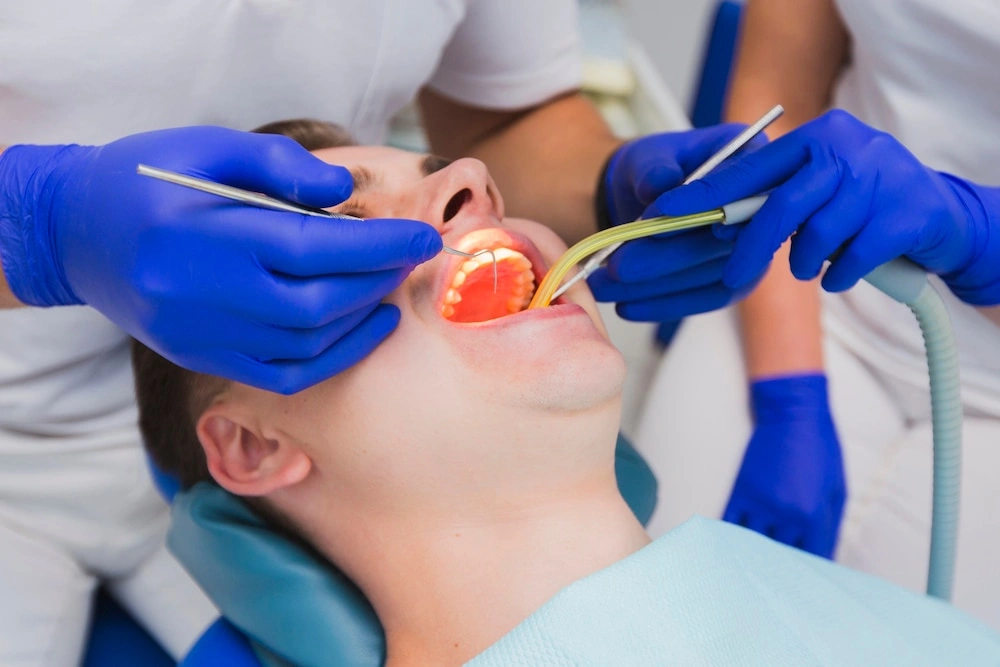
Many people find out they have four wisdom teeth and ask the same practical question: can they all come out in one appointment? In many cases, yes. Removing all four wisdom teeth at once is a common option, especially when several teeth are impacted, causing pain, crowding, infection, or likely to create problems later.
That said, it’s not the right plan for every mouth. The decision depends on your X-rays, the angle of each tooth, how close the roots sit to nerves or sinuses, your general health, and the type of anaesthetic you prefer. A consultation for wisdom teeth removal Sydney can help map out a sensible plan before you book surgery.
Why Remove All Four Wisdom Teeth Together?
Taking out all four wisdom teeth in one session can make sense when the teeth are likely to cause repeated trouble. Wisdom teeth often erupt in the late teens or twenties, when the rest of the adult teeth are already in place. If there isn’t enough room, they may come through only partly, press against neighbouring teeth, or stay trapped under the gum.
Partly erupted teeth can collect food and bacteria under a flap of gum. This may lead to swelling, bad taste, gum infection, decay, or pain that comes and goes. A single sore wisdom tooth can settle for a while, then flare up again at the worst possible time.
If your dentist can see that all four teeth are risky, removing them together avoids four separate appointments, four healing periods, and repeated time off work or study.
The Main Pros
The biggest benefit is efficiency. One appointment, one round of anaesthetic, one recovery period. For busy adults, students, parents, and shift workers, that can be far easier to manage.
It may also reduce the overall disruption to your diet and routine. Instead of healing on one side, then going back later to do the other, you get through the awkward stage in a single stretch.
Cost can be another factor. While the fee depends on complexity, doing everything at once may reduce repeated consultation, sedation, facility, or time-related costs. If budget is a concern, ask for a clear estimate that explains the procedure, anaesthetic, follow-up care, and any likely extras. You can also read more about wisdom teeth removal cost Sydney before your appointment.
There is also a comfort benefit. Anxious patients often prefer one well-planned visit rather than building themselves up for surgery several times.
The Possible Downsides
The trade-off is that recovery can feel more intense when all four sites are healing together. Chewing may be harder for the first few days, and swelling can affect both sides of the face. Some people feel quite tired after sedation or general anaesthetic, even when the procedure itself goes smoothly.
There may also be more bleeding points to manage in the first 24 hours. This is usually controlled with gauze and pressure, but you’ll need to follow your aftercare instructions carefully.
Complex lower wisdom teeth deserve extra attention. Lower roots can sit close to the nerve that supplies feeling to the lower lip, chin, teeth, and tongue. Nerve irritation is uncommon, and often temporary when it occurs, but your dentist should discuss this risk if your X-ray shows close contact. Learn more about impacted wisdom teeth if your teeth are buried, angled, or only partly through the gum.
One Visit or Staged Removal?
A staged approach can suit people who want a lighter recovery, have medical conditions that need a cautious plan, or only have symptoms on one side. It may also be chosen when one tooth looks much harder to remove than the others.
Here’s a simple way to compare the options:
| Option | Best suited to | Main drawback |
| All four at once | People who want one surgery and one recovery period | First few days may feel more uncomfortable |
| Two at a time | People who want to keep one side easier for chewing | Two appointments and two recovery windows |
| One tooth only | A single tooth causing a clear problem | Other wisdom teeth may need treatment later |
There’s no prize for being tough. The best plan is the one that fits your anatomy, health, schedule, and comfort level.
Anaesthetic Choices
Wisdom teeth can be removed under local anaesthetic, sedation, or general anaesthetic. Local anaesthetic numbs the area while you stay awake. Sedation helps you feel relaxed and drowsy. General anaesthetic means you’re asleep for the procedure, usually in a day surgery setting.
If all four teeth are being removed, sedation or general anaesthetic may be discussed, particularly for nervous patients or more complex extractions. A guide to wisdom teeth removal under general anaesthetic can help you prepare questions for your clinician.
Recovery Planning: What to Expect
Plan for a quiet first 24 hours. You’ll need someone to take you home if you’ve had sedation or general anaesthetic, and you should avoid driving until your clinician says it’s safe.
Swelling usually peaks in the first two or three days. Jaw stiffness, bruising, and mild oozing can happen. Many people return to desk work or study after a few days, but heavy exercise, sport, alcohol, smoking, and vaping should wait until you’ve been cleared.
Soft foods help: yoghurt, smoothies eaten with a spoon, mashed potato, scrambled eggs, soup that has cooled down, pasta, soft fish, and porridge. Avoid straws, vigorous rinsing, hard chips, seeds, and anything that can poke into the sockets.
After the first day, gentle warm saltwater rinses may help keep the area clean. Brush the rest of your teeth carefully, and follow any prescribed medication instructions. For a fuller day-by-day guide, see wisdom teeth recovery.
Warning Signs After Surgery
Some discomfort is normal, but worsening pain after day three, a bad smell or taste, fever, heavy bleeding, pus, or swelling that keeps increasing should be checked. Dry socket can occur if the protective blood clot breaks down or dislodges, exposing the bone. It’s painful, but treatable.
The Bottom Line
Yes, you can often get all four wisdom teeth removed at once. For many patients, it’s the most convenient and efficient choice. The key is careful planning: good imaging, honest discussion about risks, the right anaesthetic, and a recovery window that gives your body time to heal.